FATF Warns Gaming and Gambling Sectors Face Growing Financial Crime Risks
Insight . Intelligence . Accountability
A new wave of professionals is transforming Governance, Risk, and Compliance from a rigid framework into a dynamic force for trust, innovation, and resilience. Governance, Risk, and Compliance (GRC) has long been associated with boardrooms and bureaucracy—a domain reserved for executives and auditors. But that image is changing fast.
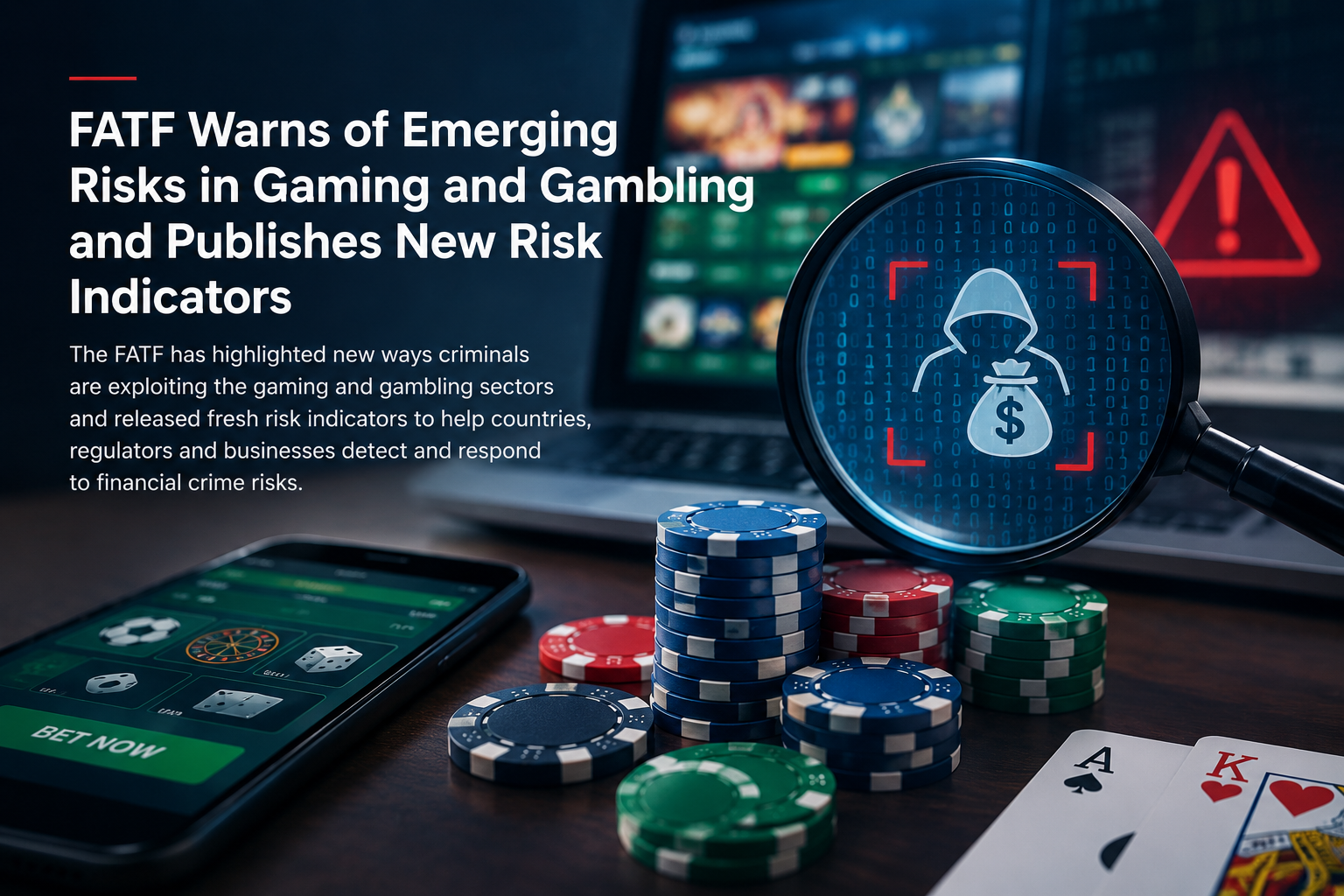
The gaming and gambling industries are becoming increasingly attractive to criminals looking for ways to move money, hide ownership and bypass financial controls, according to a new assessment from the Financial Action Task Force (FATF).
In a report published on September 9, 2026, the global financial crime watchdog highlighted several ways gambling platforms and gaming services are being exploited. These include moving funds through gambling accounts without actually placing meaningful bets, splitting transactions into smaller amounts to avoid detection, and placing unusually large or coordinated bets on sporting events that may be subject to manipulation.
The concern comes as the gaming and gambling markets continue to expand, particularly online. Digital platforms, cross-border services and faster payment methods have made it easier for customers to move money across jurisdictions, but they have also created new opportunities for criminals.
The FATF's analysis is based on a year-long project involving more than 80 jurisdictions, industry bodies and researchers. It examined financial crime risks across casinos, gambling activities and video gaming, including the organization's first detailed assessment of risks linked specifically to online and illegal gambling.
Illegal gambling presents a major challenge
One of the clearest findings is the scale of illegal gambling.
In some jurisdictions, illegal gambling markets are believed to rival or even exceed the size of regulated markets. Unlicensed operators, including offshore platforms, can often operate across borders while presenting themselves as legitimate businesses.
For criminals, these platforms can be particularly attractive because of the anonymity they may offer and the range of payment methods available.
The problem is not limited to countries where gambling is prohibited. FATF found that illegal and unlicensed operators exist across different regulatory environments, creating challenges for authorities trying to identify and shut down illicit activity.
Digital platforms are creating more points of exposure
The rapid shift towards online gambling has changed the risk landscape considerably.
Gaming and gambling platforms now operate alongside a much wider digital ecosystem that includes social media networks, online marketplaces, software developers and payment providers. Some of these businesses may not fall directly under gambling or financial crime regulations, creating gaps that criminals can exploit.
Payment methods also vary widely. Cash, electronic wallets, mobile money and virtual assets can all be used within the sector, each presenting different money laundering risks.
The speed at which funds can move between accounts and across borders makes suspicious transactions harder to identify, particularly where several services or jurisdictions are involved.
Criminals are finding ways around regulation
Differences between national regulatory systems are another concern.
Criminal operators can take advantage of weaker controls in one jurisdiction while serving customers or moving money through another. Fragmented regulation can also make it more difficult for authorities and private-sector organizations to share information and coordinate investigations.
The FATF also warned about ownership structures.
Individuals behind gambling platforms can use complicated shareholding arrangements to conceal who ultimately controls a business. Where beneficial ownership checks, anti-money laundering controls and anti-corruption measures are weak, these structures can make it harder for authorities to identify the people benefiting from criminal activity.
FATF President Giles Thomson said the sectors could become attractive gateways for fraudsters, professional money launderers and organized criminal networks without adequate safeguards.
He called on governments to strengthen oversight, take action against illegal and offshore operators, improve international cooperation and deepen collaboration between public authorities and the private sector.
Organized crime remains a concern
The risks are not limited to individual transactions.
FATF found that organized criminal groups continue to show an interest in gaining ownership or influence over gaming and gambling businesses. Traditional casinos have faced this problem for years, but online platforms can introduce additional complications because of their ownership structures and cross-border operations.
The report also identified links between abuse of the gaming and gambling sectors and a wider range of crimes.
These include corruption, cyber-enabled fraud, professional money laundering and the use of illegal or unlicensed offshore gambling operators to support criminal activity.
This makes the sector part of a much larger financial crime ecosystem rather than an isolated area of risk.
New indicators to help identify suspicious activity
To help authorities and businesses respond, FATF has published a set of risk indicators designed to highlight warning signs that could point to money laundering, terrorist financing or other forms of criminal abuse.
Some of the indicators relate to customer behaviour and transactions.
For example, the use of multiple accounts or payment methods under different identities could raise concerns. So could differences between a customer's identity information and the details attached to their payment accounts.
Suspicious identity documents, unusual betting or transaction patterns and links between customers and known criminal activity are also highlighted.
The ownership of gambling businesses is another area requiring scrutiny. Complex structures that make it difficult to determine the ultimate beneficial owner may indicate an attempt to conceal control or the movement of illicit funds.
FATF also points to criminal connections involving operators or their owners, including links to organized crime and cyber-enabled fraud.
The risks are changing with the industry
The latest assessment reflects how quickly the gaming and gambling industries are changing.
The growth of online platforms has removed many of the physical barriers that once limited gambling activity. Customers can access services from different jurisdictions, make payments through a variety of channels and move between platforms with relative ease.
For regulators and law enforcement agencies, that creates a more complicated environment in which suspicious activity may be spread across several businesses and countries.
It also means that traditional approaches to monitoring gambling activity may no longer be sufficient.
FATF's new indicators are intended to give governments, regulators and private-sector organizations a more practical way of identifying these risks. Rather than relying on a single suspicious transaction or unusual bet, authorities can look at patterns involving customers, payments, ownership structures and relationships between different entities.
The report ultimately points to a wider challenge facing the industry: as gaming and gambling become more digital, international and interconnected, criminals have more opportunities to exploit the same systems that make the sector convenient for legitimate users.
For regulators and operators, the task will be to keep pace with those changes while ensuring that legitimate businesses do not become easy channels for money laundering, fraud or organized criminal activity.
Your email address will not be published. Required fields are marked with *

CPMI and IOSCO Release New Guidance on Managing Business Risks in Financial Market Infrastructures
The Committee on Payments and Market Infrastructures (CPMI) and IOSCO have released final guidance to help financial market infrastructures strengthen their approach to managing business risks and preparing for potential financial losses. The guidance clarifies existing requirements under Principle 15 of the Principles for Financial Market Infrastructures, following an assessment that identified weaknesses in how some institutions were applying the standards.
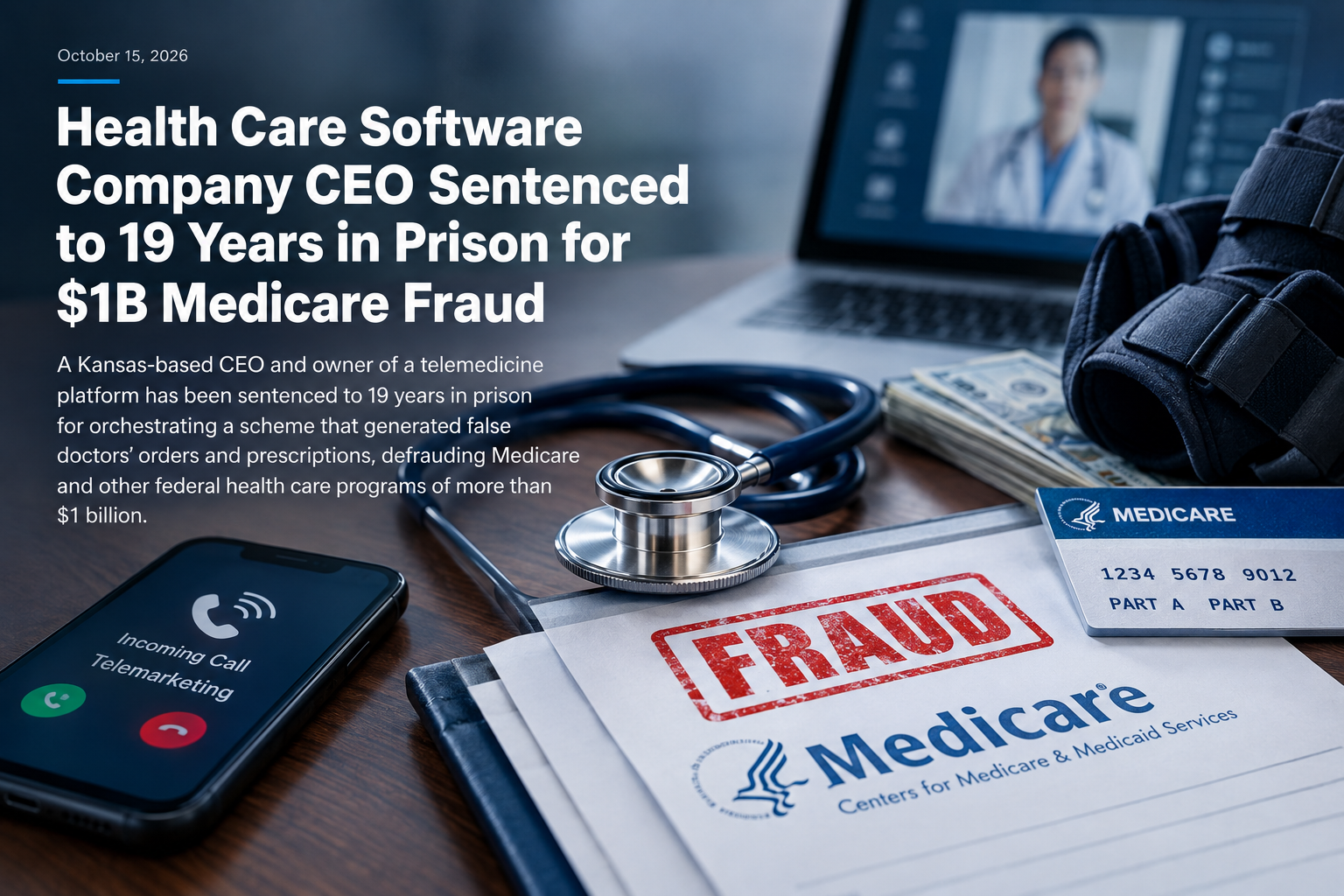
# Telemedicine CEO Sentenced to 19 Years Over $1 Billion Medicare Fraud Scheme
A Kansas healthcare technology executive has been sentenced to 19 years in prison for his role in a fraud scheme that generated more than $1 billion in claims against Medicare and other federal healthcare programmes. The case exposed how fraudulent medical orders, illegal kickbacks and deceptive telemedicine practices were used to exploit public healthcare funds.
FATF Warns Gaming and Gambling Sectors Face Growing Financial Crime Risks
The Financial Action Task Force (FATF) has identified new ways criminals are exploiting gaming and gambling platforms to move money, evade controls and support wider criminal activity. With online and cross-border gambling expanding rapidly, the FATF has issued new risk indicators to help regulators, financial institutions and industry operators detect suspicious activity and respond to money laundering, terrorist financing and other financial crime risks.
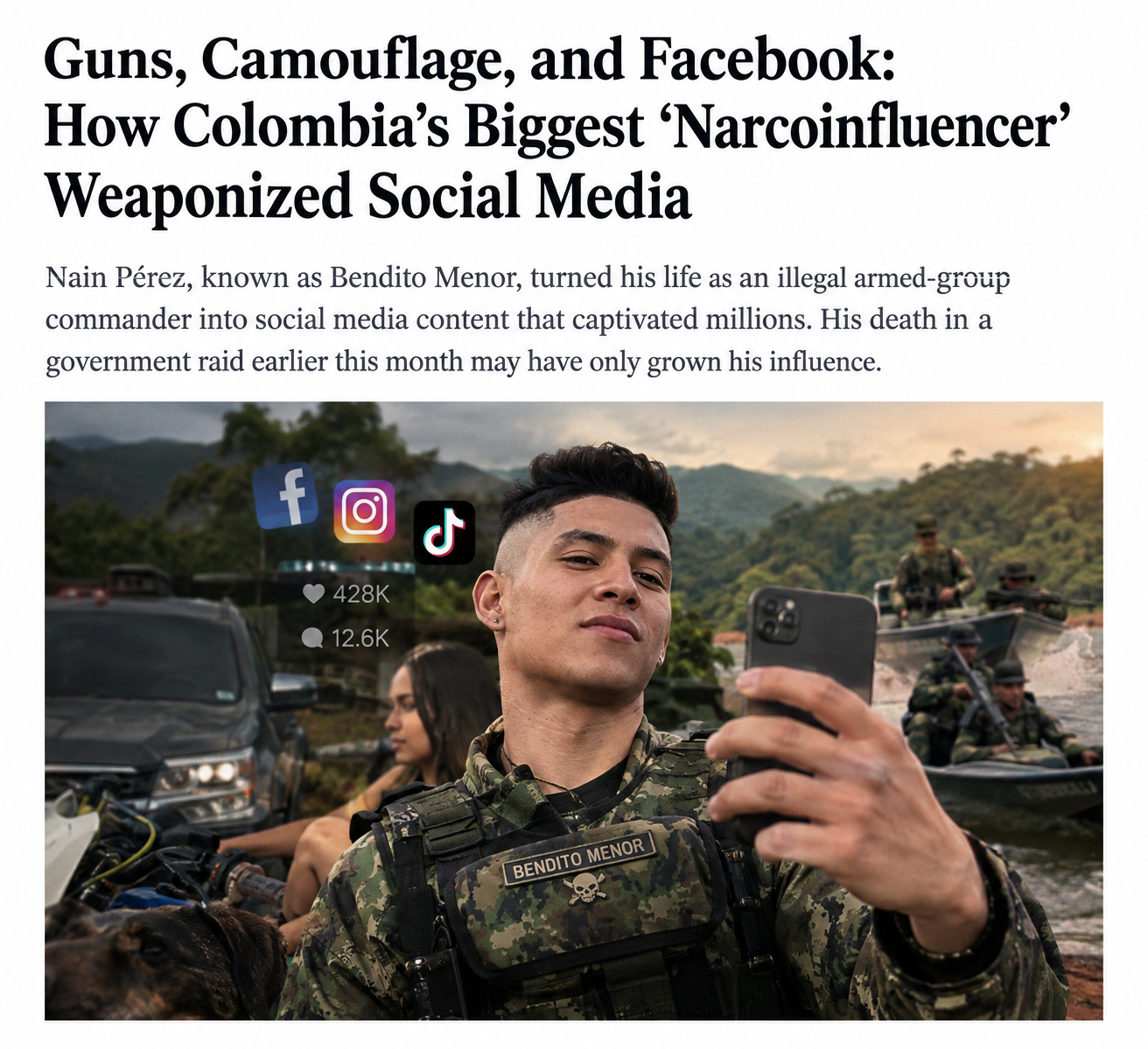
Guns, Camouflage and Facebook: How Colombia’s ‘Narcoinfluencer’ Turned Crime Into Content
Nain Pérez, known online as Bendito Menor, built a huge following by mixing images of money, romance and armed life with a criminal persona. His rise shows how social media can turn organized crime into something dangerously close to celebrity culture.
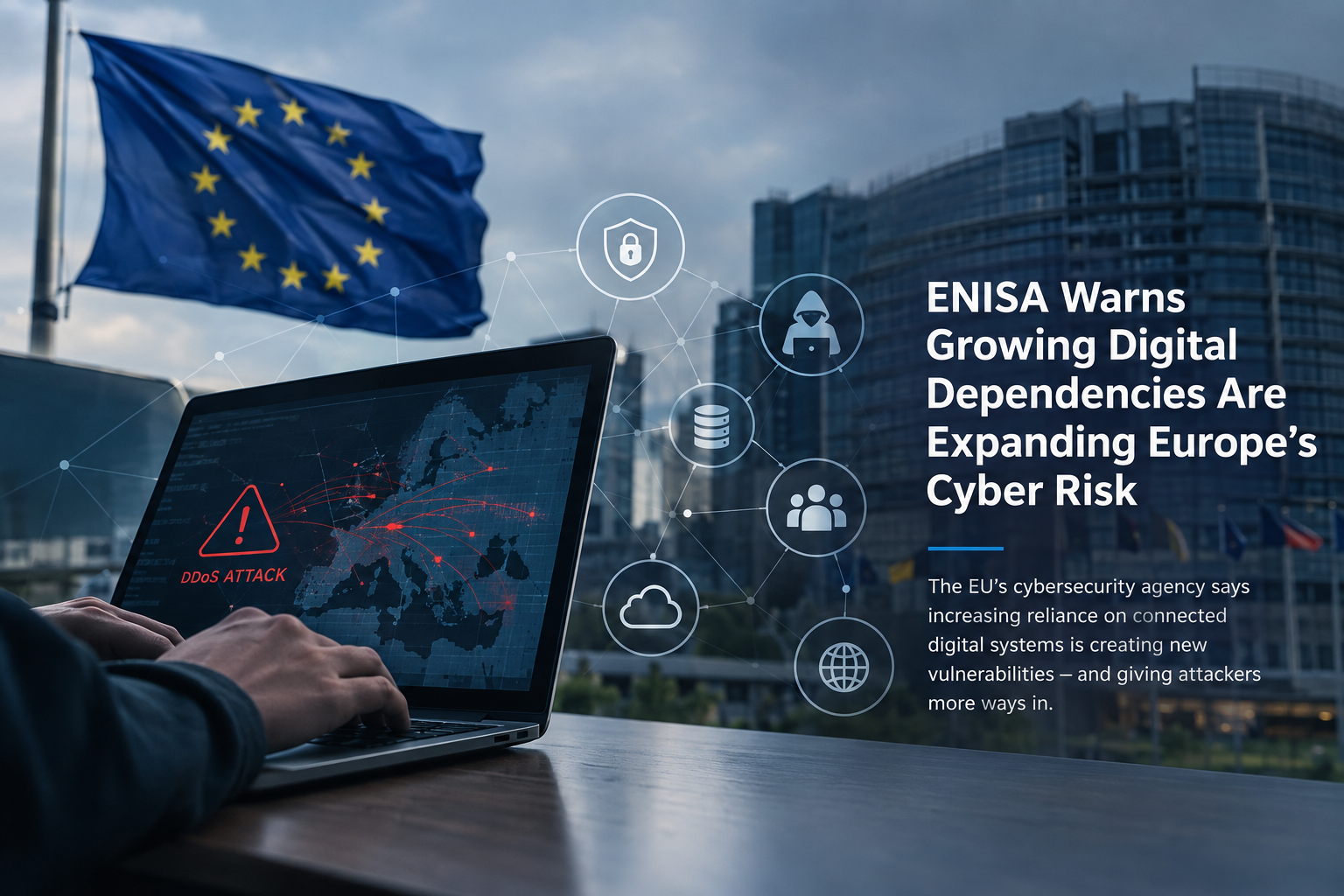
ENISA Warns Digital Dependencies Are Expanding Europe’s Cyber Attack Surface
Europe’s growing reliance on interconnected digital technologies is creating new cybersecurity challenges, with ENISA warning that increasing digital dependencies could widen the region’s exposure to cyber threats, vulnerabilities and potential disruptions across critical sectors.
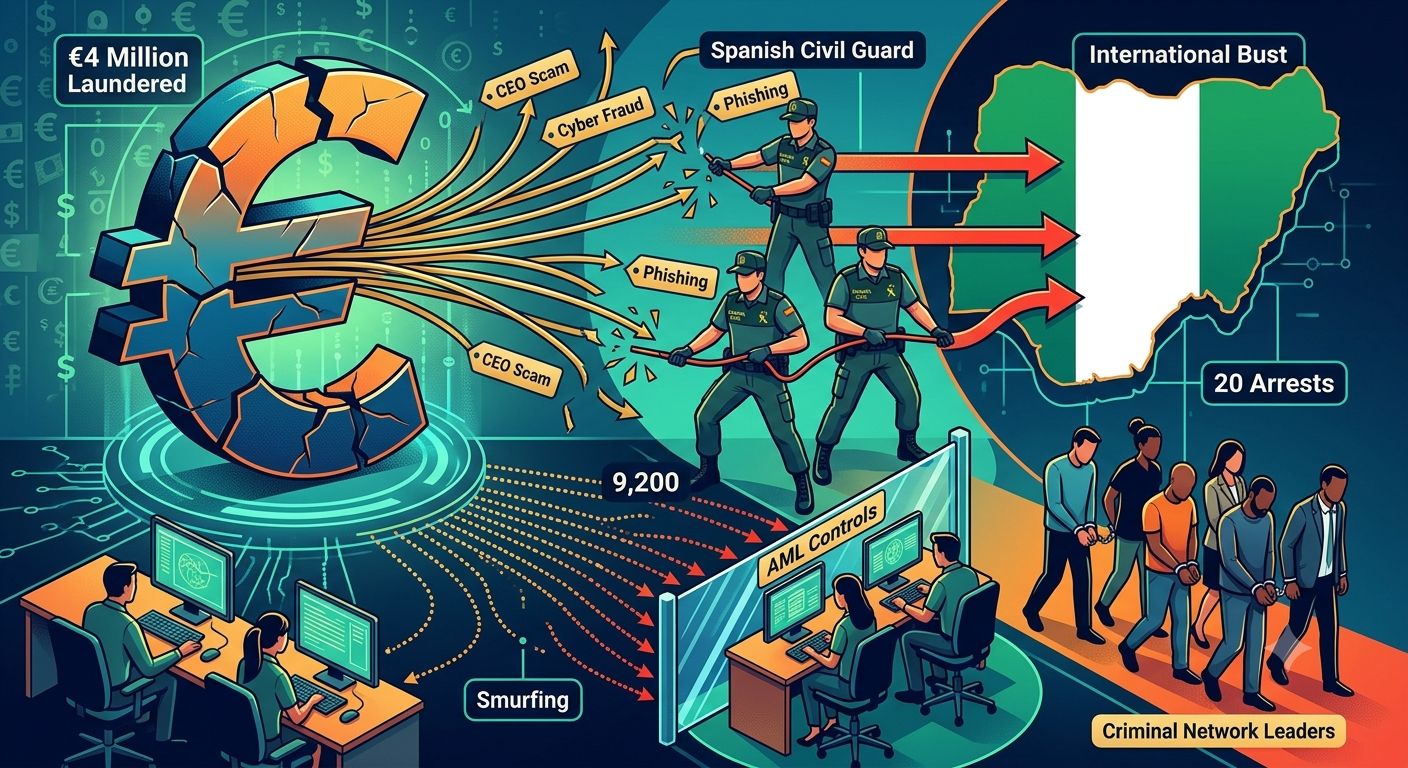
A network that laundered more than four million euros from scams by sending the money to Nigeria falls
Spanish Police Bust €4 Million International Money Laundering Ring Bound for Nigeria. The Spanish Civil Guard has dismantled a criminal network responsible for laundering over €4 million generated through cyber fraud, CEO scams, and identity theft across Europe. The organization utilized "smurfing"—splitting large illicit funds into more than 9,200 small-wire transfers using falsified passports and stolen identities—to bypass anti-money laundering controls and funnel cash into Nigeria. The two-phase operation led to 20 arrests, investigations into 11 others, and raids targeting key leaders in Bilbao as well as several complicit money transfer agencies.
No recommended articles found.