
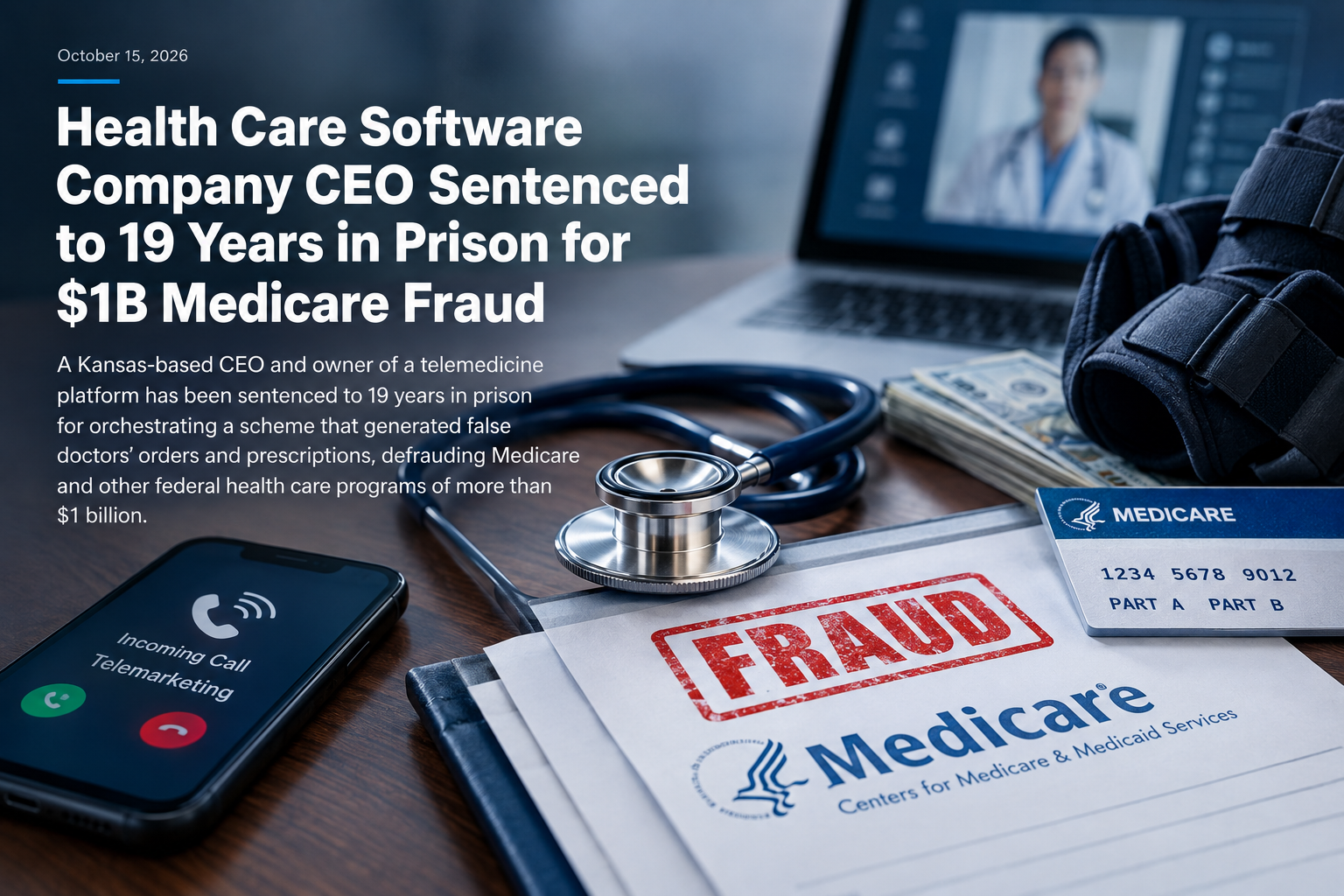
# Telemedicine CEO Sentenced to 19 Years Over $1 Billion Medicare Fraud Scheme
Insight . Intelligence . Accountability
A new wave of professionals is transforming Governance, Risk, and Compliance from a rigid framework into a dynamic force for trust, innovation, and resilience. Governance, Risk, and Compliance (GRC) has long been associated with boardrooms and bureaucracy—a domain reserved for executives and auditors. But that image is changing fast.
A healthcare technology executive in the United States has been sentenced to 19 years in prison for orchestrating a scheme that used fraudulent medical orders and prescriptions to defraud Medicare and other federal healthcare programmes of more than $1 billion.
Brett Blackman, 43, of Johnson County, Kansas, was sentenced following his conviction for his role in a nationwide operation involving medically unnecessary orthotic braces and other healthcare products. The scheme relied on telemarketing operations, doctors who signed orders without properly examining patients, and healthcare suppliers who submitted fraudulent claims for reimbursement.
According to the US Department of Justice (DOJ), Blackman and his co-conspirators billed federal healthcare programmes and other insurers more than $1 billion. More than $450 million was paid out on the fraudulent claims.
The case highlights the financial and regulatory risks associated with weaknesses in healthcare oversight, the misuse of digital platforms and the failure of controls designed to prevent fraud and improper payments.
How the fraud scheme operated
Blackman owned and led HealthSplash, which acquired Power Mobility Doctor Rx LLC, commonly known as DMERx, in September 2017.
DMERx operated an internet-based platform that generated doctors’ orders for durable medical equipment and prescriptions. Prosecutors established that the platform was used to produce fraudulent documentation for products that beneficiaries did not medically need.
Blackman and his associates connected medical equipment suppliers, pharmacies and marketers with telemedicine companies willing to arrange doctors’ signatures in exchange for illegal kickbacks and bribes. The participants received a share of the proceeds generated through the referrals.
Patients were reportedly contacted through aggressive telemarketing campaigns and persuaded to accept orthotic braces and other equipment. Doctors then signed orders that made it appear that the beneficiaries had received appropriate medical assessments.
Evidence presented at trial showed that some doctors signed the documents without meaningful interaction with the patients. In certain cases, they had no interaction with the beneficiaries at all.
An undercover agent posing as a Medicare beneficiary demonstrated how the process worked. After being contacted by a foreign call centre and persuaded to accept multiple braces, the agent was linked to a doctor who signed orders through the DMERx platform. One order claimed that medical tests requiring an in-person examination had been conducted, despite the doctor never speaking with the purported patient.
More than 346,000 beneficiaries affected
The scale of the operation was reflected in the volume of claims submitted to Medicare.
According to evidence presented in court, the scheme generated fraudulent orthotic brace claims involving more than 346,000 Medicare beneficiaries. On average, Medicare was billed for four braces per beneficiary.
In more than 1,200 cases, the programme was billed for at least 21 orthotic items prescribed through the DMERx platform for a single beneficiary.
Prosecutors said the participants attempted to conceal the fraud through sham contracts and changes to doctors’ orders intended to avoid scrutiny during Medicare audits. These included removing references to telemedicine from the documentation.
The conduct demonstrated how false medical records, misleading contractual arrangements and weaknesses in claims verification can be combined to make fraudulent transactions appear legitimate.
Multiple agencies investigated the case
The investigation involved the US Department of Health and Human Services Office of Inspector General (HHS-OIG), the Federal Bureau of Investigation (FBI), the Department of Veterans Affairs Office of Inspector General (VA-OIG) and the Defense Criminal Investigative Service (DCIS).
Following a 23-day jury trial that concluded in April 2026, Blackman was convicted of conspiracy to commit healthcare fraud and wire fraud, conspiracy to pay and receive kickbacks, and conspiracy to defraud the United States and make false statements in connection with healthcare matters.
The court will determine his restitution and forfeiture obligations at a later date.
His co-defendant, Gary Cox, was sentenced to 15 years in prison in December 2025.
The DOJ said the sentence reflects the seriousness of efforts to exploit publicly funded healthcare programmes, particularly those intended to support older people, people with disabilities, veterans and other vulnerable beneficiaries.
What the case means for healthcare compliance
The case offers several lessons for organizations operating in healthcare, insurance, digital health and related services.
Third-party oversight remains critical. Healthcare platforms often connect providers, pharmacies, equipment suppliers, telemarketing businesses and payment systems. Weak due diligence or inadequate monitoring of these relationships can expose an organization to bribery, fraudulent referrals and improper claims.
Medical documentation must be reliable. Healthcare orders and prescriptions should reflect genuine clinical assessments and appropriate medical decisions. Systems that generate documentation without adequate verification create opportunities for fraud and can undermine the integrity of reimbursement processes.
Payment and claims controls need to identify unusual patterns. Repeated claims for multiple items, unusually high volumes associated with individual beneficiaries and inconsistencies between medical records and services provided may warrant further investigation. Effective monitoring should assess patterns across transactions, providers and third parties rather than relying solely on individual claims.
Digital platforms require effective governance. Automating the production of medical orders does not remove the need for accountability. Organizations must ensure that their systems support legitimate clinical decisions, maintain accurate records and provide an audit trail that enables suspicious activity to be identified and investigated.
Fraud prevention requires cooperation. The involvement of several law enforcement and oversight agencies illustrates the importance of information sharing and coordinated investigations when suspected misconduct spans multiple organizations and jurisdictions.
Enforcement against healthcare fraud continues
The DOJ said its Health Care Fraud Strike Force Programme has charged more than 6,200 defendants since 2007 in cases involving alleged or proven schemes that collectively billed federal healthcare programmes and private insurers more than $45 billion.
The department continues to work with federal partners to investigate healthcare fraud, protect public funds and hold individuals responsible for criminal conduct accountable.
Blackman’s sentence sends a clear message to healthcare executives, technology providers and intermediaries: digital systems and commercial partnerships do not shield individuals from liability when they are used to facilitate fraud.
For healthcare organizations, the case reinforces the need for strong anti-fraud controls, effective third-party due diligence, reliable clinical documentation and continuous monitoring of billing activity. These measures are essential not only for regulatory compliance but also for protecting public resources and maintaining trust in healthcare services.
Source: US Department of Justice, Office of Public Affairs, October 15, 2026.
Your email address will not be published. Required fields are marked with *

CPMI and IOSCO Release New Guidance on Managing Business Risks in Financial Market Infrastructures
The Committee on Payments and Market Infrastructures (CPMI) and IOSCO have released final guidance to help financial market infrastructures strengthen their approach to managing business risks and preparing for potential financial losses. The guidance clarifies existing requirements under Principle 15 of the Principles for Financial Market Infrastructures, following an assessment that identified weaknesses in how some institutions were applying the standards.
# Telemedicine CEO Sentenced to 19 Years Over $1 Billion Medicare Fraud Scheme
A Kansas healthcare technology executive has been sentenced to 19 years in prison for his role in a fraud scheme that generated more than $1 billion in claims against Medicare and other federal healthcare programmes. The case exposed how fraudulent medical orders, illegal kickbacks and deceptive telemedicine practices were used to exploit public healthcare funds.
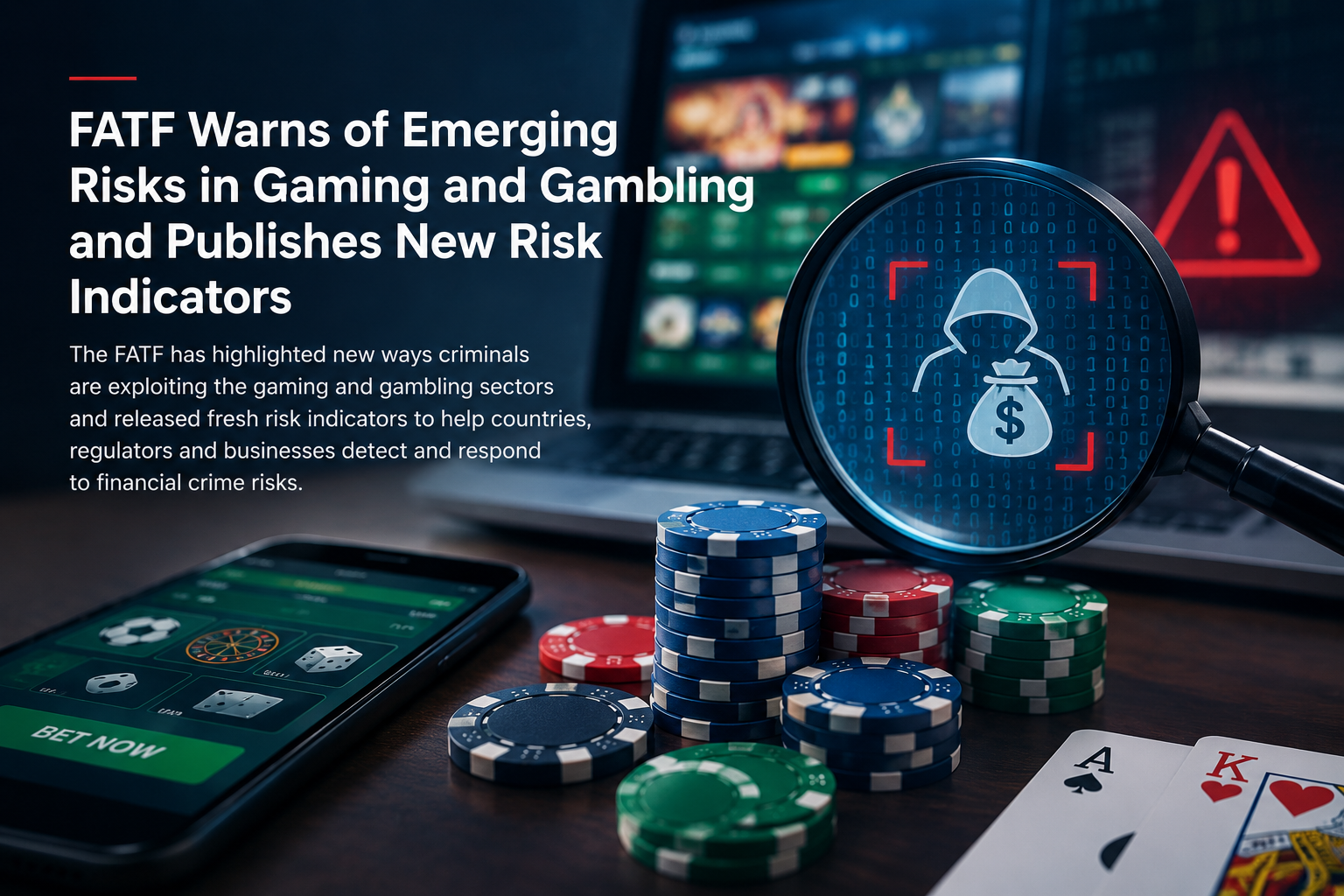
FATF Warns Gaming and Gambling Sectors Face Growing Financial Crime Risks
The Financial Action Task Force (FATF) has identified new ways criminals are exploiting gaming and gambling platforms to move money, evade controls and support wider criminal activity. With online and cross-border gambling expanding rapidly, the FATF has issued new risk indicators to help regulators, financial institutions and industry operators detect suspicious activity and respond to money laundering, terrorist financing and other financial crime risks.
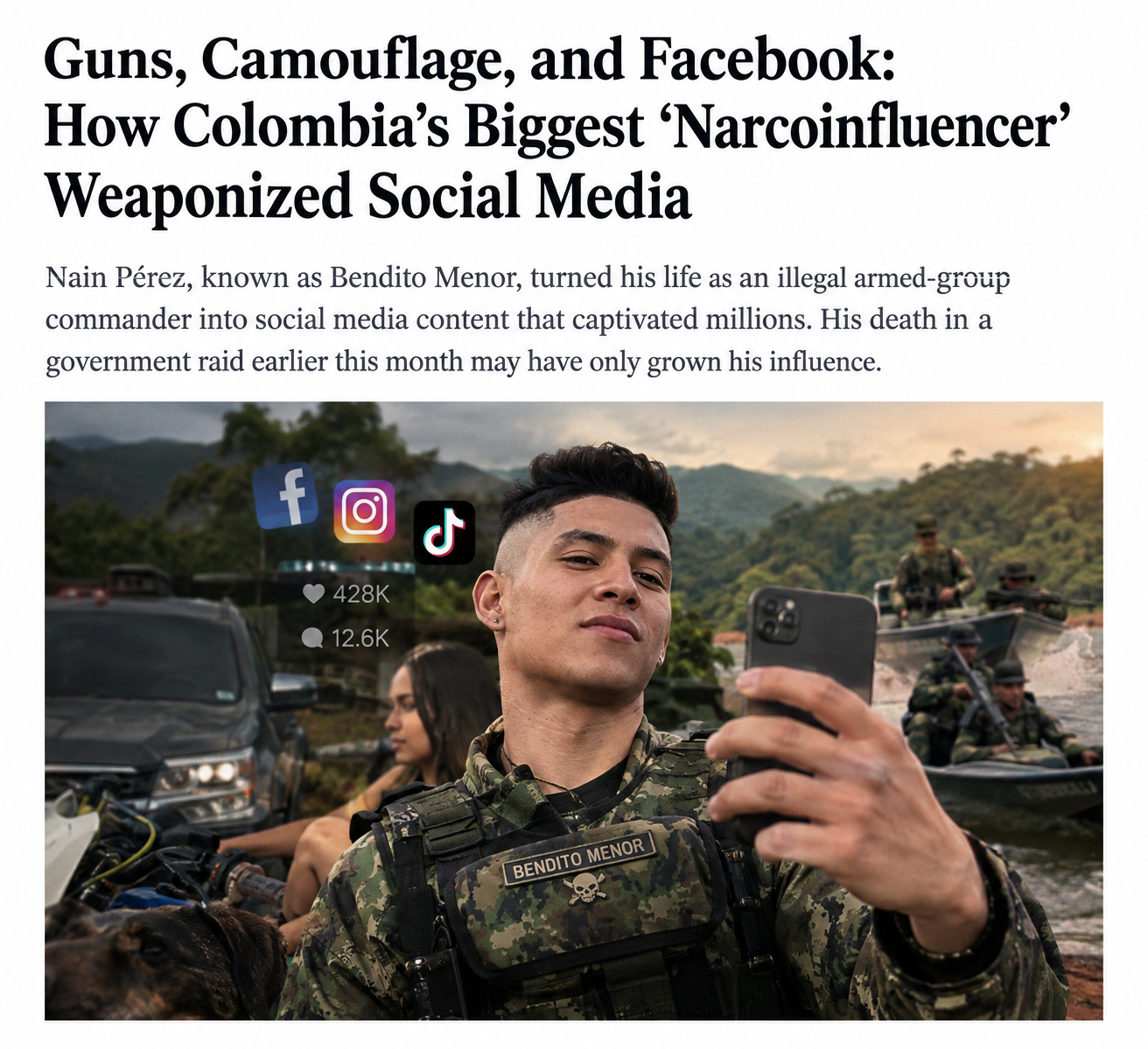
Guns, Camouflage and Facebook: How Colombia’s ‘Narcoinfluencer’ Turned Crime Into Content
Nain Pérez, known online as Bendito Menor, built a huge following by mixing images of money, romance and armed life with a criminal persona. His rise shows how social media can turn organized crime into something dangerously close to celebrity culture.
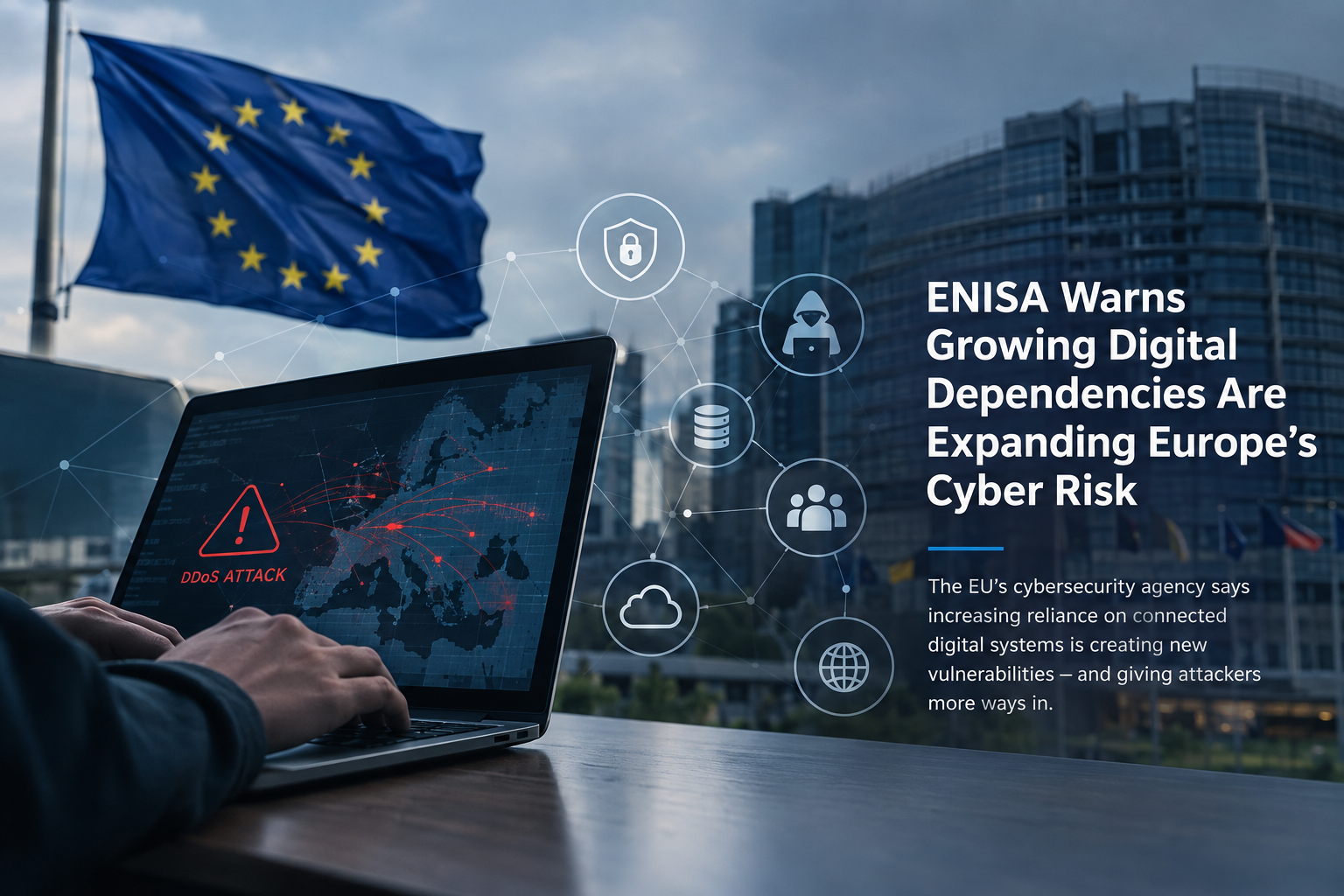
ENISA Warns Digital Dependencies Are Expanding Europe’s Cyber Attack Surface
Europe’s growing reliance on interconnected digital technologies is creating new cybersecurity challenges, with ENISA warning that increasing digital dependencies could widen the region’s exposure to cyber threats, vulnerabilities and potential disruptions across critical sectors.
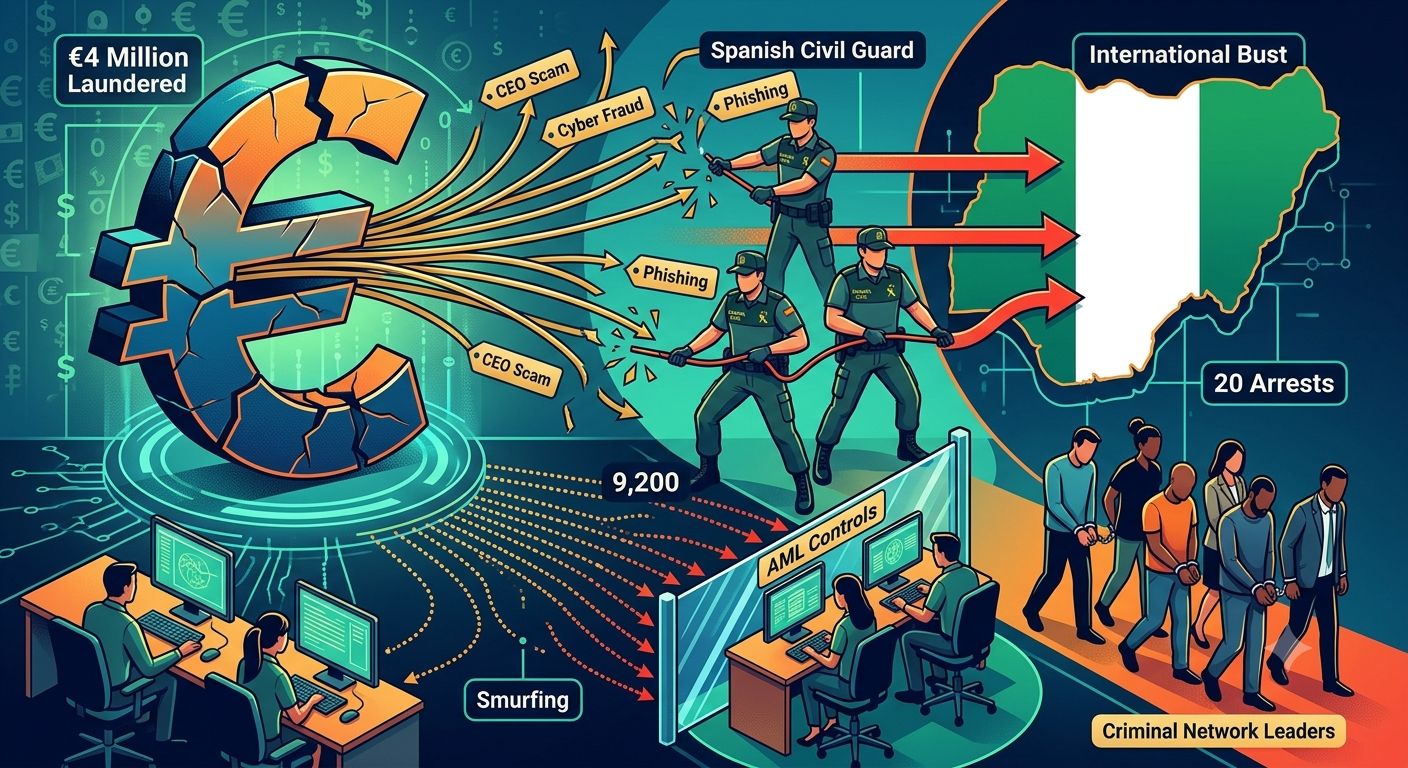
A network that laundered more than four million euros from scams by sending the money to Nigeria falls
Spanish Police Bust €4 Million International Money Laundering Ring Bound for Nigeria. The Spanish Civil Guard has dismantled a criminal network responsible for laundering over €4 million generated through cyber fraud, CEO scams, and identity theft across Europe. The organization utilized "smurfing"—splitting large illicit funds into more than 9,200 small-wire transfers using falsified passports and stolen identities—to bypass anti-money laundering controls and funnel cash into Nigeria. The two-phase operation led to 20 arrests, investigations into 11 others, and raids targeting key leaders in Bilbao as well as several complicit money transfer agencies.
No recommended articles found.