



Integrating Risk Management into Startup Fundraising: Ensuring Investors’ Confidence in Your GRC Framework In the high-stakes world of startup fundraising, founders often focus heavily on market opportunity, product differentiation, and growth potential. While these elements are essential, there’s another powerful and often underestimated lever that can boost investor confidence: a robust approach to governance, risk,
Integrating Risk Management into Startup Fundraising: Ensuring Investors’ Confidence in Your GRC Framework
In the high-stakes world of startup fundraising, founders often focus heavily on market opportunity, product differentiation, and growth potential. While these elements are essential, there’s another powerful and often underestimated lever that can boost investor confidence: a robust approach to governance, risk, and compliance (GRC).
More than ever, investors are scrutinizing startups not only for their innovation but also for how responsibly they’re managed. Incorporating risk management into your fundraising narrative signals that your startup is built not just to grow, but to last.
Why GRC Matters in Fundraising
Early-stage companies are typically associated with agility and speed. But from an investor’s perspective, this can also look like chaos without guardrails. Here’s why a thoughtful GRC approach is critical during fundraising:
- Risk mitigation = investment protection: Demonstrating how you’ve identified and are mitigating risks shows investors that you’re not gambling with their money.
- Operational maturity: A documented approach to compliance, financial controls, and ethics suggests you’re running your startup with long-term sustainability in mind.
- Exit-readiness: Whether through acquisition, IPO, or merger, a startup with strong GRC practices is far more attractive when it comes time for due diligence.
Key GRC Elements Investors Want to See
When pitching to investors, go beyond the usual pitch deck talking points. Weave in the following GRC highlights to instill confidence:
1. Risk Register and Mitigation Strategy
Even at an early stage, founders should maintain a living document outlining top business risks be it regulatory compliance, cybersecurity, IP protection, or reliance on key personnel and how these risks are being managed.
2. Data Security and Privacy Controls
If your startup collects customer or user data, investors will want assurance that you’re compliant with applicable laws (like GDPR or CCPA) and following security best practices.
3. Internal Financial Controls
Investors want to know that their capital won’t be misused. Having basic financial controls in place such as approval workflows, budgeting systems, and audit readiness shows you’re serious about accountability.
4. Compliance Roadmap
Whether you’re in fintech, healthtech, or SaaS, every industry has regulatory obligations. Outline your compliance roadmap: What licenses, certifications, or audits are required, and how are you planning to meet them?
5. Ethical and Cultural Governance
Culture matters to investors. Share how your startup promotes ethical behavior, diversity, and a safe reporting environment (e.g., a whistleblower program). This signals integrity and reputational maturity.
How to Incorporate GRC into Your Fundraising Strategy
Here are five actionable ways to bring your GRC framework into fundraising discussions:
Recommended by LinkedIn


1. Include GRC Slides in Your Pitch Deck
Dedicate a slide to how your startup is addressing key risks. Highlight leadership’s commitment to ethical growth and outline foundational GRC elements already in place or in development.
2. Proactively Share GRC Documentation During Diligence
Make risk registers, policies, and compliance plans available in your data room. Demonstrating transparency builds trust and speeds up due diligence.
3. Mention Key Advisors or Board Members
If you’ve brought in legal, cybersecurity, or compliance advisors, mention them. It shows you value expert input and aren’t operating in a vacuum.
4. Frame GRC as a Competitive Advantage
Use GRC to show that you’re ready to handle growth responsibly. For instance, if your competitors have faced fines or breaches, your controls can serve as a differentiator.
5. Demonstrate Scalability of Controls
Show how your controls are built to scale automated systems, regular reviews, and evolving compliance policies that will grow with your business.
Conclusion: Building Trust Before the Term Sheet
Raising capital isn’t just about selling your vision it’s about inspiring confidence. By integrating risk management and compliance into your fundraising narrative, you demonstrate maturity, foresight, and leadership. You show that you’re not just chasing valuation. You are building a business designed to thrive in the long run.
Investors are placing bets not just on your product or market, but on your ability to manage complexity.
Make it clear: You are not only ready to grow, you are prepared to grow responsibly.
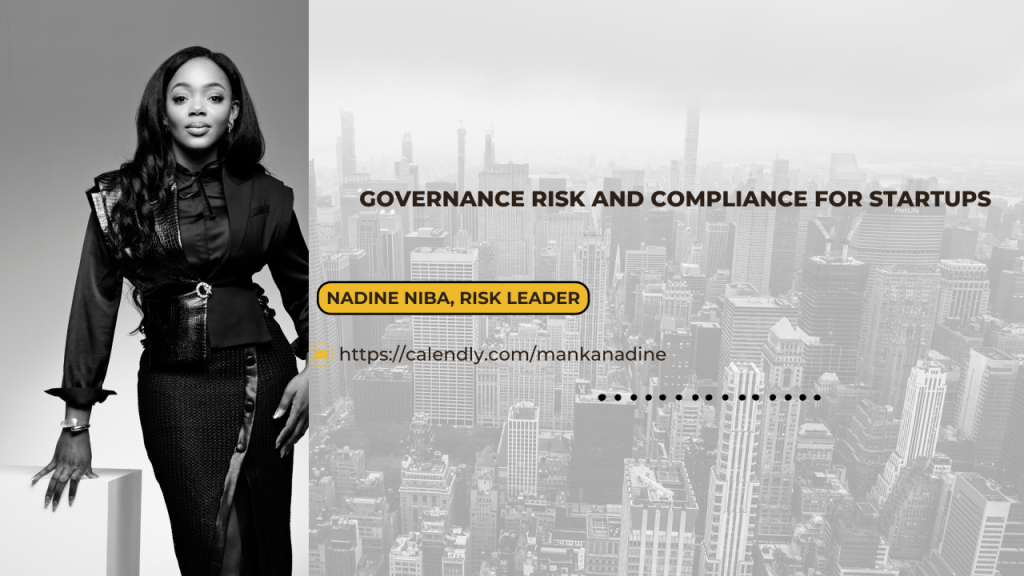
By NADINE NIBA, Risk Advisory Services Practice Leader – Alberta at BDO Canada














Leave a Comment
Your email address will not be published. Required fields are marked with *